Alisha Embroidery Font
First Impression: Joyful, Warm, and Instantly Recognizable
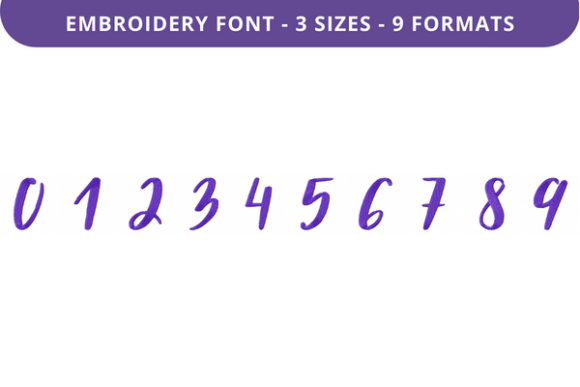
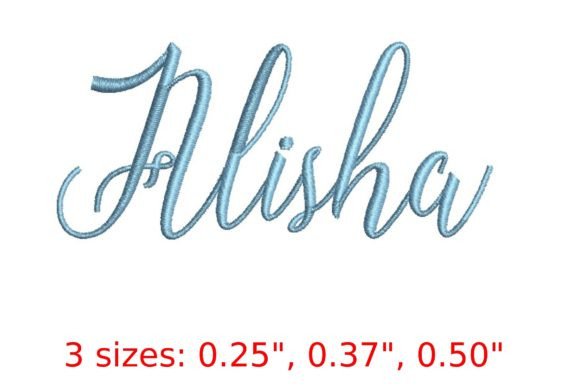
As an embroidery designer who’s prepped over 200 craft fair booths—and watched thousands of shoppers pause at a stitch before reaching for their wallets—I opened the Alisha Embroidery Font with quiet curiosity. What landed first wasn’t technical detail—it was feeling. This is a joyful script. Not fussy, not overly ornate, not stiff or formal. It’s soft-edged, gently flowing, and carries warmth in its curves—like handwriting from someone who smiles while they write. It reads as elegant but approachable, modern but timeless, handmade but polished. For Back To School season, that’s gold: think personalized lunch totes, monogrammed backpack tags, or teacher appreciation aprons that say “Ms. Chen” with sincerity, not sterility.
Where Alisha Embroidery Font Shines On Craft Fair Products
In real booth conditions—under tent lighting, amid chalkboard signs and hanging banners—Alisha Embroidery Font stands out most when used intentionally, not everywhere. Here’s where it delivers:
- Tote bag design: Centered on the front panel of a natural canvas tote, Alisha Embroidery Font reads clearly from six feet away. Its rhythm invites the eye without shouting—perfect for shoppers scanning for “handmade,” “personalized,” or “thoughtful.”
- Apron embroidery: On a cotton twill apron pocket or chest band, it adds personality without overwhelming utility. Pair it with a small floral motif or single leaf accent—Alisha Embroidery Font holds its own as the hero.
- Tea towel embroidery: Works beautifully on flat, smooth linen or medium-weight cotton towels. The script’s gentle spacing avoids crowding, and its warmth complements kitchen coziness better than sharp sans-serifs ever could.
- Embroidered patch: When digitized cleanly, Alisha Embroidery Font scales well into a 2.5"–3" circular or oval patch. Ideal for attaching to denim jackets, backpacks, or market bags—giving small shop products instant charm and cohesion.
- Pillow cover & fabric pouch: These are quiet powerhouses. Alisha Embroidery Font stitched in tonal thread (e.g., oatmeal on cream linen) feels luxe and intentional—elevating a simple handmade product into a giftable item.
What Holds It Back—And How to Work Around It
Alisha Embroidery Font isn’t magic. Like any script font, it has boundaries—and ignoring them risks muddied stitches or frustrated customers. Here’s what I watch for:
- Dense stitch areas: Tight loops and overlapping strokes can trap thread or cause puckering on lightweight fabrics. Always test on scrap with your target fabric + stabilizer combo.
- Small lettering: Below 1.25" height, some letters (like lowercase “e” or “a”) may lose definition—especially on textured tea towels or thick denim caps. Reserve tiny sizes for high-contrast thread on smooth fabric only.
- Curved surfaces: Caps and curved market bags demand careful hooping and possibly reduced stitch density. Alisha Embroidery Font’s fluid lines can warp if tension or stabilizer isn’t dialed in.
- Dark fabric: Light thread on black or navy works—but only if the design has generous spacing and open counters. Avoid ultra-thin strokes; opt for slightly bolder digitizing where possible.
Production Realities Every Etsy Seller & Small Shop Owner Needs
If you’re batch-producing for craft fairs or restocking Etsy listings, Alisha Embroidery Font is highly repeatable—if you treat it like a trusted collaborator, not a plug-and-play shortcut. It photographs exceptionally well for printable mockups and digital listings: clean lines, balanced negative space, and inherent warmth translate directly to screen appeal. That means less editing, faster uploads, and stronger click-throughs.
But don’t skip the prep. Before stitching your first dozen totes:
- Test the embroidery file on scrap fabric matching your production stock—same weight, same weave, same dye lot.
- Check thread colors against multiple fabric swatches—not just white. Alisha Embroidery Font gains depth with earthy tones (terracotta, sage, deep mustard).
- Review letter spacing. Scripts live or die by kerning. If “To” or “We” looks cramped in your hoop size, adjust manually—don’t rely on auto-spacing.
- Confirm hoop size compatibility. Some versions may stretch beyond standard 4x4 hoops—verify before cutting production fabric.
- Inspect stitch density. High-density scripts can overwhelm delicate fabrics. Consider lightening fill areas or switching to satin-stitch outlines only for lightweight items.
- Use the right stabilizer: tear-away for stable cottons, cut-away for knits or stretchy pouch fabrics, and heavy cut-away for structured caps.
- Create at least one real mockup—not just a digital preview. Hold it in natural light. Walk away and look back. Does it read? Does it feel handmade, not machine-made?
- Compare across fabric colors. Alisha Embroidery Font on oatmeal linen reads differently than on ivory cotton poplin—both beautiful, but each demands its own thread choice.
- Confirm commercial licensing. Since this is a digital embroidery file intended for finished product sales, verify usage rights before listing your embroidered patches or teacher gifts.
Why Alisha Embroidery Font Strengthens Your Booth & Brand
At craft fairs, attention is currency—and Alisha Embroidery Font earns it quietly but consistently. It doesn’t scream. It invites. Shoppers linger longer on items with its soft confidence. It signals care, not clutter. When paired with cohesive design assets—a matching label, simple packaging stamp, or even handwritten price tags—it builds brand consistency without logos or slogans.
For Etsy sellers, it boosts perceived value: a $28 tea towel with Alisha Embroidery Font feels more considered than one with generic block letters. For boutique makers, it supports storytelling—“This was stitched with joy” isn’t marketing fluff here. It’s built into the curve of every letter.
In short: Alisha Embroidery Font isn’t just another machine embroidery design. It’s a mood, a moment, and a smart business decision—for anyone turning thread, fabric, and intention into handmade product that sells.