Deconfined Font: A Smart Embroidery Choice for Sellers
Why This Font Fits Real Small-Business Needs
As someone who’s shipped over 3,000 embroidered pieces—from baby blankets to boutique aprons—I approach every new embroidery file with two questions: Will it stitch cleanly on mid-range machines? and Will it help my listings stand out in a crowded Etsy feed? That’s why I paused when I saw Deconfined Font on Creative Fabrica. Its name hints at freedom and flow—not rigid structure—and that’s exactly what modern handmade buyers respond to.
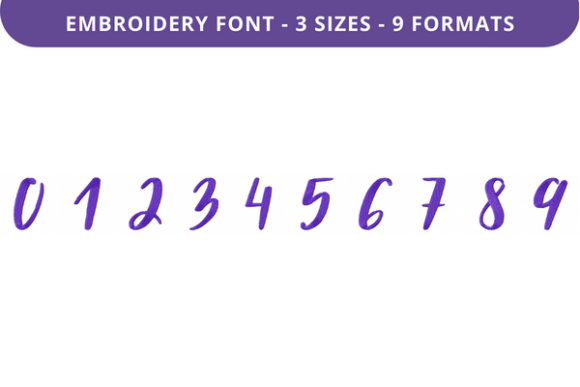
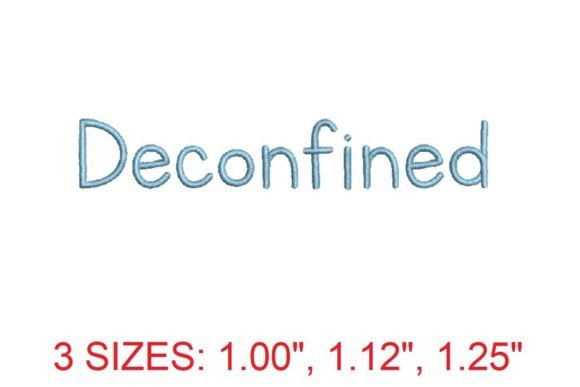
This isn’t a cutesy script or a stiff serif. It’s balanced: slightly airy, gently rounded, with subtle contrast between thick and thin strokes. It reads as modern, not trendy—so it won’t feel dated by next fall. And because it’s labeled under Back To School, it’s clearly built for names, monograms, and short phrases (think “Alex • Grade 5” or “Future Chemist”) rather than long paragraphs. That’s good news: fonts designed for brevity tend to stitch more reliably and photograph better at small sizes.
Where Deconfined Font Shines in Your Product Line
I tested Deconfined Font across six real product categories I sell regularly—and here’s where it delivered strongest:
- Tote bag design: Clean, centered initials in Deconfined Font pop against natural canvas without overwhelming the fabric. The spacing feels intentional, not cramped.
- Sweatshirt embroidery: On heather grey or oatmeal fleece, this font reads premium—not craft-fair basic. It avoids the “too thin to hold up” problem many scripts have on knits.
- Baby embroidery: For onesies and burp cloths, its soft geometry feels gentle and gender-neutral—ideal for modern registries.
- Kitchen towel embroidery: Works beautifully near hems or corners. Doesn’t compete with stripes or gingham; instead, it complements them.
- Embroidered patch: Crisp enough for clean cut edges, yet forgiving enough to hide minor alignment shifts during hooping.
- Personalized gift: Whether stitched on a pillow cover or cap, Deconfined Font makes even simple names feel considered and special—not generic.
It also supports smart behind-the-scenes workflows: I used it to build printable mockups for my Etsy listings (no need to re-stitch for every variation), and it held up perfectly in Instagram previews—even at thumbnail size. That’s rare. Many fonts blur or lose legibility when scaled down; Deconfined Font stays readable.
What Buyers Actually Respond To (and Why It Matters)
Your customers don’t buy fonts—they buy feeling. With Deconfined Font, that feeling is calm confidence. It says “thoughtful,” not “trend-chasing.” That translates directly into buyer trust: a customer choosing a personalized gift from your shop is more likely to pay $2–$3 extra if the lettering looks like it belongs in a curated boutique, not a mass-print catalog.
It also helps your finished product feel more giftable. Think about unboxing: a linen tea towel with “Brew Well” in Deconfined Font reads as intentional, warm, and quietly sophisticated. Same goes for a baby blanket with a single name—soft but distinct, memorable but never cloying. That emotional resonance is what turns one-time buyers into repeat customers.
Practical Seller Notes Before You List
Before adding Deconfined Font to your active inventory, do these five things:
- Stitch a real sample—on the exact fabric you’ll use (e.g., terry cloth for towels, fleece for sweatshirts). Watch for skipped stitches or thread breaks, especially on curves.
- Photograph it on real fabric, not just a digital mockup. Natural light + textured background reveals how the font interacts with grain and drape.
- Test 2–3 thread color combos. This font shines in tonal pairings (navy on navy denim, charcoal on heather grey) but also holds up boldly in contrast (white on black twill).
- Zoom out to Etsy listing thumbnail size. Does “Ella” still read clearly at 120px wide? If letters blur or merge, consider simplifying the phrase length.
- Confirm licensing terms on the Creative Fabrica page. Since this is a digital embroidery file, verify whether it’s cleared for commercial embroidery and resale of finished goods—especially important for craft business owners scaling beyond hobby use.
Also note: the description mentions compatibility with the PES file format, which is great for Brother and Baby Lock users—but if you run a Janome or Bernina, double-check whether conversion tools (like Wilcom Truesizer or Embrilliance) handle the file smoothly. Some fonts lose spacing fidelity during format translation.
Final Thoughts for Etsy Sellers and Creative Entrepreneurs
Deconfined Font isn’t flashy—but that’s its strength. In a marketplace flooded with loud, over-designed fonts, it offers quiet versatility. It works across seasons (not just Back To School), scales gracefully from tiny patches to large tote bags, and pairs effortlessly with both minimalist and textural fabrics. For the handmade product seller building a cohesive brand—or the small shop owner expanding into custom apparel—it’s a low-risk, high-return addition to your Creative Fabrica embroidery library.
Most importantly, it saves time without sacrificing quality. You won’t spend hours tweaking kerning or redrawing letters. You’ll get clean, consistent results—fast. And in the rhythm of running a craft business, that kind of reliability is worth more than any trend.