Greatly Beloved Font: J to R
A Designer’s First Stitch with Greatly Beloved Font Lowercase J to R
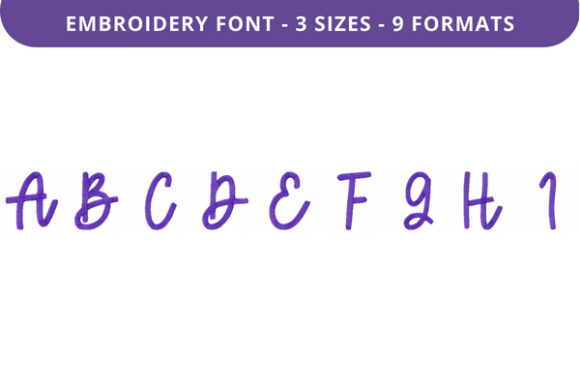
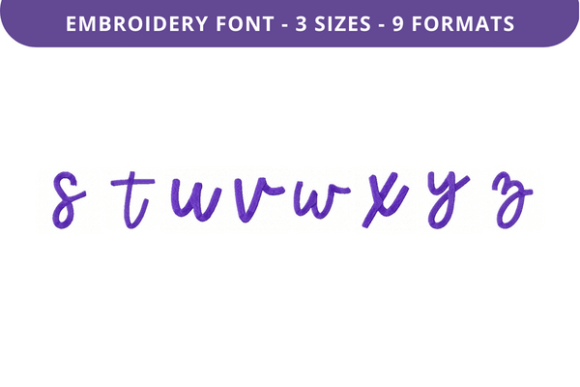
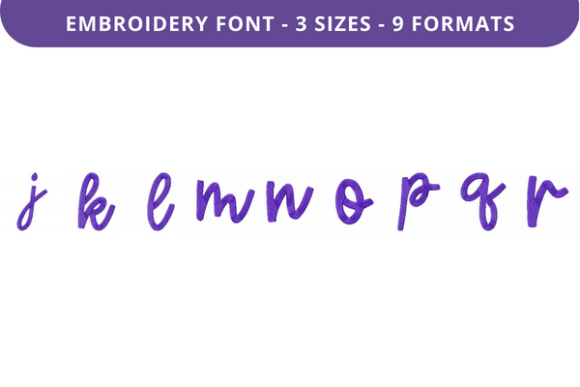
As an embroidery designer who’s stitched over 3,000 personalized gifts—from newborn onesies to wedding vow pillows—I opened the Greatly Beloved Font Lowercase J to R file with quiet anticipation. Not for flash or trend, but for feeling: does it carry warmth? Does it whisper “handmade with care” before a single thread is cut? The answer is yes—immediately. This isn’t a crisp, sterile script or a fussy calligraphic flourish. It’s soft-edged, gently rounded, and quietly confident—like ink pressed into handmade paper. Each lowercase letter breathes with subtle variation: slight tapering on stems, delicate entry/exit curves, and just enough weight in the counters to hold up on fabric without looking heavy. It feels romantic, timeless, and deeply personal—ideal for names that deserve tenderness, not typography.
Where This Font Finds Its Heartbeat
Greatly Beloved Font Lowercase J to R shines brightest where emotional resonance matters most. Think baby embroidery on organic cotton swaddle blankets—“june,” “lila,” “milo”—stitched in ivory thread, soft enough to rest against newborn skin. Imagine it on linen pillow covers for newlyweds: “our forever begins here” curved gently across the front, evoking intimacy rather than formality. It’s perfect for embroidered towels gifted at housewarmings, nursery wall hangings with a child’s name, or custom aprons for teachers heading back to school—yes, even in the Back To School category, its gentle charm adds quiet sophistication to “Ms. Riley” or “Room 4B.” Etsy sellers will love how it elevates small shop products: a simple tote bag becomes a keepsake when “just us” is stitched in this font; a handmade product gains instant heirloom energy.
Real-World Pairings That Just Work
- Baby embroidery: Ideal for onesies, bibs, and milestone blankets—its open shapes avoid tiny, hard-to-stitch details that snag or distort on stretchy knit fabrics.
- Wedding gift: Use on handkerchiefs, ring bearer pillows, or guestbook linens. The lowercase flow feels intimate—not stiff, not overly decorative.
- Nursery decor: Works beautifully on wooden embroidery hoops, canvas wall art, and muslin crib banners. Letters remain legible even at 1.5” height.
- Custom embroidery for daily use: On tea towels, lunchbox napkins, or denim tote bags—its balanced stitch density resists fraying through repeated washing.
Where to Pause—and Test—Before You Stitch
Even beloved fonts need thoughtful application. Greatly Beloved Font Lowercase J to R is graceful, but grace requires respect for fabric and function. Avoid using it for text smaller than 0.75” tall—delicate curves like the tail of “j” or the loop of “g” may lose definition on dense terry cloth or thick, napped towels. On dark fabric, confirm your chosen thread colors provide clear contrast; pale peach or oatmeal thread can disappear on charcoal linen without a test run. For stretchy baby clothes (think interlock knits), always pair with lightweight cutaway stabilizer—this font’s smooth contours rely on stability to stay true. And on curved surfaces—like the rounded edge of a ceramic mug sleeve or the seam of a fitted pillow cover—test placement first: letters may subtly compress or skew if hooped too tightly.
Why Customers Choose—and Remember—This Kind of Personalization
When a customer sees Greatly Beloved Font Lowercase J to R on your product photography, something shifts. It signals intention. Not “I added text,” but “I chose *this* for *you*.” That nuance builds trust. Buyers scrolling Etsy or browsing a local craft fair sense the handmade quality—not because it’s imperfect, but because it’s thoughtfully human. The font invites connection: a parent tracing their child’s name with a fingertip, a couple pausing over initials stitched side-by-side. That emotional hook increases perceived value, encourages repeat orders, and makes your finished product more photographable—soft shadows, clean lines, and natural flow translate beautifully in natural light. For digital embroidery file sellers, offering this font as part of a curated “meaningful monogram” bundle positions you as a curator, not just a vendor.
Your Practical Checklist Before Stitching
- Test on scrap fabric—match fiber content and weight to your final project (e.g., test on actual baby towel fabric, not quilting cotton).
- Check thread color contrast on both light and dark fabric mockups—what reads softly on ivory may vanish on navy.
- Confirm hoop size compatibility—some letters span wider than expected; measure the full “j” to “r” sequence before hooping.
- Review stitch density—a well-balanced machine embroidery design shouldn’t feel stiff or overly dense on breathable fabrics.
- Use appropriate stabilizer: tear-away for stable wovens, cutaway for knits, and water-soluble for delicate lace overlays.
- Inspect small details after stitching: check loops, joins, and terminals—especially on “r,” “q,” and “p”—for clean finishes.
- Verify commercial licensing before selling finished products—this is essential for Etsy sellers, small shop owners, and wedding gift designers.
In my studio, Greatly Beloved Font Lowercase J to R has already earned a permanent spot in the “go-to meaningful scripts” folder—not for its novelty, but for its quiet reliability. It doesn’t shout. It settles in. It makes names feel held. Whether you’re embroidering a graduation cap for a senior teacher, a keepsake blanket for a new grandparent, or a custom apron for a baker launching her small business, this font reminds us that personalization isn’t just about letters—it’s about legacy, love, and the gentle power of getting it just right.